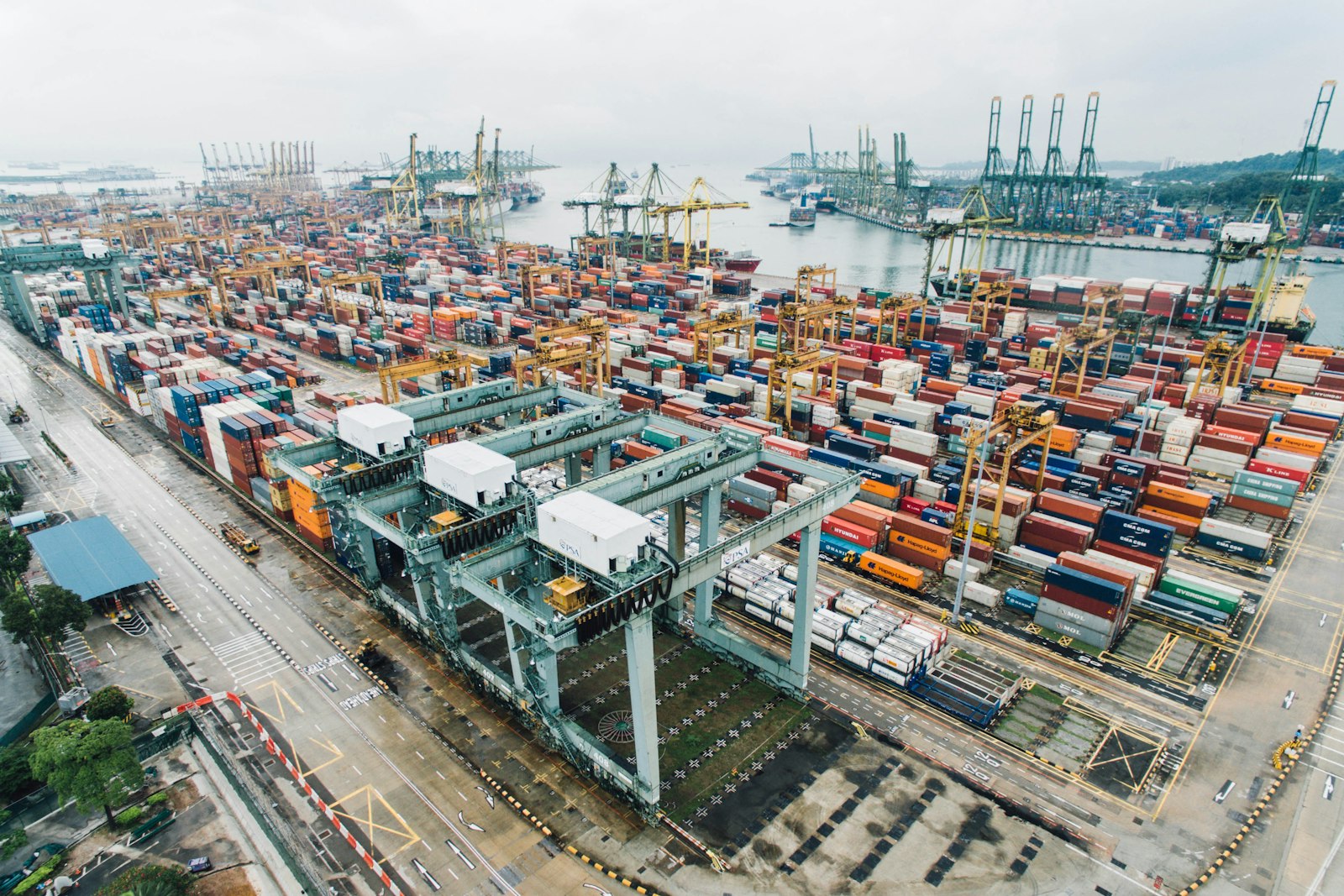
Commercial freight shipping is the backbone of modern business. Whether you send a single pallet across the state or manage a steady flow of containers between continents, the way you ship directly affects your margins, your reputation, and your customers' trust.
Freight decisions rarely sit in isolation. Mode, timing, paperwork, insurance, and carrier relationships all interlock — change one and the others shift. This issue gathers the essentials in one place: the main modes, the biggest cost levers, the tracking practices that prevent surprises, and the documents that keep goods moving across borders.
Whether you are new to freight or reviewing an established operation, the goal is the same: reliability your customers can feel, at a cost your margins can absorb. Below we walk through the five chapters and the questions that come up most often.
🚚 Modes of Commercial Freight

Each mode has its own cost, speed, and capacity profile — the right choice depends on the shipment.
- 🚛 FTL: full truckload for large volumes and direct routes.
- 📦 LTL: shared loads — economical for partial freight.
- 🚆 Rail: cost-efficient for heavy goods over long distances.
- ✈️ Air: fastest for urgent, high-value cargo.
- 🚢 Ocean: lowest cost per unit for international bulk.
💰 How to Keep Shipping Costs Down

Cost control does not mean cutting corners — it means making smarter choices at every step.
- 📦 Consolidate: combine loads to reduce trips.
- 📅 Plan ahead: avoid rush fees and last-minute air freight.
- 🤝 Negotiate: volume discounts add up over time.
- 📐 Optimize packaging: less volume means lower rates.
- 🧮 Audit invoices: catch overcharges early.
📍 Reliability & Tracking

Reliability is what customers remember. On-time, undamaged, and clearly communicated — that is what builds trust.
- ⏱️ On-time performance: track carrier reliability metrics.
- 🛰️ GPS tracking: know where every load is in real time.
- 📢 Transparency: share status updates with customers.
- 🔔 Exception alerts: catch delays before they grow.
📋 Compliance, Insurance & Documentation

Paperwork keeps goods moving across borders and through checkpoints — a single missing form can stall an entire shipment.
- 📄 Bill of Lading (BOL): the core shipping contract.
- 🛃 Customs documents: required for cross-border freight.
- 🔒 Cargo insurance: protects against loss or damage.
- ⚖️ Compliance: weight, hazmat, labeling rules.
📊 Why Freight Shipping Matters

Freight is more than a line item on an invoice — it is a strategic part of how a business competes.
- 💰 It directly affects product cost and pricing power.
- ⏱️ Delays ripple through inventory and sales.
- 🛡️ Damaged goods hurt brand reputation.
- 🌍 Efficient shipping supports growth into new markets.